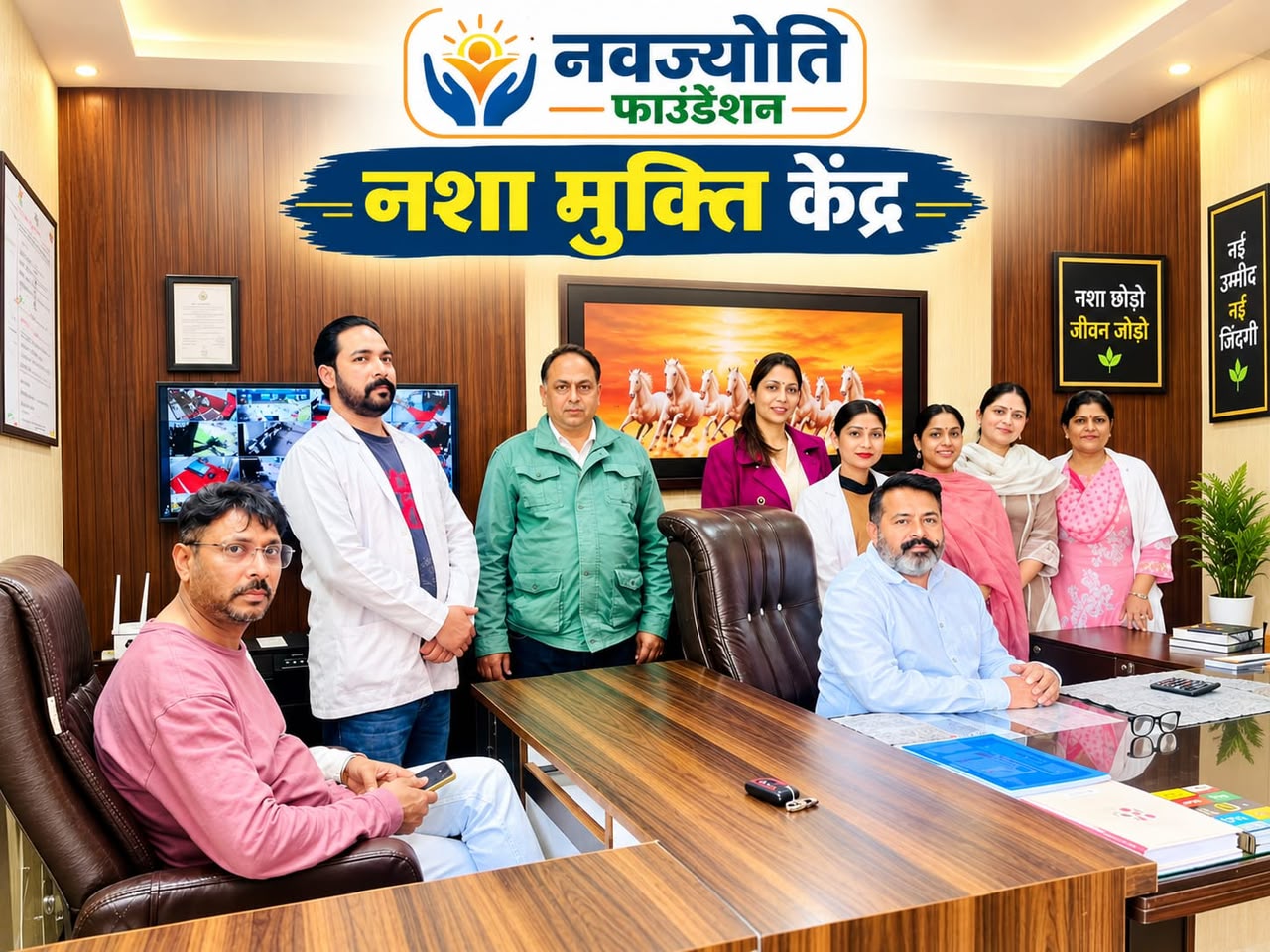
Nasha Mukti Kendra in Jajjar | Navjyoti Foundation Guidance
Substance use can gradually change a person's habits, priorities, and relationships. Family members may notice missed responsibilities, changes in behaviour, or repeated attempts to stop without lasting progress. For those seeking a Nasha Mukti Kendra in Jajjar, learning about professional assessment and the recovery process can help turn concern into a practical plan.
Identifying the Right Level of Support
The first step is to understand the individual's medical and personal circumstances. A qualified healthcare professional can assess the type of substance involved, frequency of use, physical health, and possible withdrawal symptoms. The resulting recommendations may include supervised withdrawal management, counselling, rehabilitation, or referral to specialised care.
Treatment should be explained in a way that the individual and family can understand. Ask about the services provided, staff qualifications, emergency response, privacy, and how progress is reviewed. Medical advice is especially important before stopping alcohol or certain drugs when physical dependence may be present.
Recovery Planning with Navjyoti Foundation
Navjyoti Foundation is led by Mr. Rajbir Singh and has been associated with recovery support since 2019. The organisation highlights access to medical and support staff 24 hours a day. Families should contact the foundation to verify which services are available and how its care arrangements meet individual needs.
A structured programme may help individuals develop better ways to respond to stressful situations, recognise triggers, and make healthier everyday choices. Counselling can provide space to work through challenges and establish realistic personal goals. When appropriate, family guidance can help relatives provide encouragement and understand the importance of maintaining healthy boundaries.
Encouraging Consistent Progress
Recovery can require ongoing effort after a formal programme has ended. Follow-up sessions, supportive relationships, regular activities, and continued professional guidance may help individuals maintain positive changes. Families should recognise progress while remaining prepared to seek help if difficulties return.